


I approached Quick Casino with a clear question in mind: can a platform truly deliver smooth play while still promoting a responsible mindset? The name itself suggests speed, but I hoped to see whether that pace compromises safety or tactical depth. What I found was an environment that strikes a balance between instant access with a surprisingly mature framework. There is no need to sift through cluttered promotional clutter before you access the lobby. The interface comes across as purpose-built for someone who already understands how they want to handle their time and budget. I will review the mechanics, the game catalogue, the banking dependability and, most crucially, how the site manages the interplay between entertainment and personal limits. My analysis is founded purely on direct, repeated engagements with the platform over several weeks.
First Impressions and Site Navigation
My initial experience with the landing page was defined by its deliberate minimalism. The header directly shows the core categories: slots, live casino and table games, with a basic search feature sitting subtly at the top. I timed the time from landing to my first game launch; it took just over four seconds. There is no carousel of hyperbolic jackpot figures clamouring for notice. Instead, I saw a grid of game thumbnails that loaded progressively. For an logical thinker like mine, this visual structure reduces cognitive load. I can scan, filter by provider or sort by popularity without a single tutorial overlay patronising me. The platform expects capability, which is welcome in a digital space often designed for the lowest common denominator.
Navigation on a mobile device felt just as seamless. I tried the interface on an iPhone and a mid-tier Android tablet. The touch targets are well separated, avoiding the frustrating misclicks that plague densely packed casino apps. The sticky bottom menu provides icons for home, search and account, but it never expands into a overloaded panel. I liked that the live chat support bubble stays quietly in the corner and does not animate unless you actively engage it. This kind of considerate layout keeps the focus on the games themselves. In the UK, where many players fit in short sessions during commutes or lunch breaks, this swift and effortless movement is not just a luxury; it significantly influences the quality of responsible engagement.
The account management section, often an oversight, deserves specific praise. I found the deposit history, withdrawal status and time-based activity log presented in a single open panel. There is no need to click through five different pages to check how much you have wagered in a given week. I regard this as a responsible design feature because self-awareness of spending patterns demands immediate visibility of the numbers. Quick Casino positions the raw data front and centre, letting you draw your own conclusions. The absence of gaudy loyalty progress bars in this section emphasises that your financial oversight matters more than your tier status. I find that emphasis both mature and fully consistent with UK Gambling Commission guidance.
Game Variety and Software Collaborations
I dedicated the core of my evaluation time to examining the breadth and standard of the library. Quick casino licence aggregates titles from a curated set of studios including NetEnt, Microgaming, Play’n GO and Evolution for live dealer experiences. This is not a platform that inflates its catalogue with countless low-quality clones. I tallied just under eight hundred slot titles, each one choosable by particular mechanics like Megaways or cluster pays. The curation reflects a considered editorial hand. I veered toward high-volatility slots because I aimed to test the engine under genuine balance swings, and the response stayed fluid. The random number generator integrity is validated by independent testing houses, with seals shown at the footer, which I confirmed against the testing agency’s public register.
Live casino tables require a distinct level of scrutiny, and here I witnessed strong streaming stability. I engaged in multiple sessions of live roulette presented by native English-speaking dealers from a Baltic studio. The video feed kept HD resolution without buffering, and the chat functionality was responsive. I examined the betting limits on standard blackjack tables and discovered a range that supports both conservative players and those with larger bankrolls. Minimum stakes commence at one pound, which I regard a healthy entry point for UK players who desire to enjoy the social atmosphere without exposure to overwhelming financial pressure. The software interface for placing chips is intuitive and provides no ambiguity about your selection before the betting window closes.
I was particularly interested in the niche table games often neglected by speed-focused casinos. Quick Casino offers several baccarat variants and a handful of poker-based games like Casino Hold’em. I dedicated an evening going through different strategies on a virtual baccarat table, noting that the game log showed previous outcomes cleanly. The information architecture helps you evaluate trends without implying any false certainty about future results. This neutrality is vital to me as an analyst; the software supplies the data but does not editorialise it. I never came across a message implying a hot streak or a due win, which fits with the “win wisely” philosophy I will examine next.
Winning Wisely: Strategies and Intelligent Money Management
Playing smart is not about securing wins, because no platform can genuinely assure that. Instead, I define it as maximising the structural advantages available to an knowledgeable user. Quick Casino provides the framework for this through transparent game information. Each slot page presents the RTP, hit frequency and volatility rating before you load the game. I used this data to construct a customized gaming plan. For instance, I allocated a set amount solely to high-RTP, low-volatility slots when I wanted longer sessions, and a smaller portion to accumulating jackpots when I was prepared for a faster drain. This prearranged division prevents the impulsive shift that depletes bankrolls. I genuinely appreciate that the platform makes such metrics available rather than concealing them in obscure PDFs.
Bankroll management is a practice I apply rigorously, and I evaluated whether Quick Casino’s tools facilitate it effectively. The deposit limits can be configured on a daily, weekly or monthly schedule, and any reduction of the limit takes effect immediately. I established a modest weekly cap and attempted to go beyond it through an alternative payment method. The system halted the transaction instantly and directed me to the responsible gaming settings. This cross-wallet enforcement is technically solid. More importantly, I utilized the reality check feature that breaks play at intervals of my preference. I set it to prompt me every thirty minutes. The notification is assertive but not jarring; it halts the game and requires you to recognize the time and net spend before you can resume. I find this mechanical interruption essential for preserving a clear, strategic headspace.
I also investigated the withdrawal mechanics, which are often where wise decisions meet operational friction. Quick Casino handles e-wallet withdrawals within a few hours, and I received my PayPal funds in under six hours on two separate occasions. The lack of unnecessary reversal buttons during pending periods is a intentional and wise design choice. Many platforms tempt you to cancel a withdrawal and keep playing, but here the process is irreversible once submitted. This small policy removes a major psychological pitfall. I regard fast, non-reversible withdrawals a cornerstone of winning wisely because they safeguard profits from impulsive reinvestment. The banking team clearly understands that a swift, clean exit is just as important as a smooth entry.
Offers and Promotions Free of Exceeding Limits
I seldom come across a bonus system that values the user’s intelligence, but Quick Casino comes closer than most. The welcome offer I reviewed featured a thirty-five-times wagering requirement, which falls within the UK’s standard range. What set it apart was the omission of a maximum bet clause so restrictive that it essentially traps your funds. I read the full terms in under three minutes; the language was straightforward and the key figures were bolded. There was no intricate set of game contribution percentages that change drastically, making it impossible to track your progress. Slots accounted for one hundred percent, while table games and live dealer accounted for fifteen percent, a split that is common yet openly communicated. I trialled the bonus on a mid-variance slot, and the platform presented my wagering progression as a simple percentage bar right in the account section.
Beyond the opening offer, the ongoing promotions adhere to a format of moderate cashback and sporadic free spins attached to new game releases. I was never pressured to join a complicated loyalty programme with confusing point systems. Quick Casino alternatively offers a direct comp points mechanism where every ten pounds wagered earns a fixed amount of usable credit. I calculated the real return to player uplift this delivers on slots, and it always adds a tiny bit of a percent. It is not a revolutionary feature, but it is an genuine, no-nonsense kickback. I like this over tiered VIP schemes that often drive chasing status by spending beyond your means. The nonexistence of a red-carpet VIP hierarchy matches the responsible enjoyment principle; you are rewarded for regular play, not for high-rolling alone.
I additionally monitored how the platform manages bonus expiry. The terms specify a seven-day window for completing wagering, and the system issues two reminders before the deadline: one at seventy-two hours remaining and one at twenty-four hours. I received both via a subtle in-app notification rather than an aggressive email. This polite communication style counts because it enables me to make an informed decision about how to allocate my time without pressure. If I decide to let a bonus expire because my personal schedule does not permit gaming, that decision is acknowledged. I performed exactly that with a free spins bundle, and there was no mark against my account or passive-aggressive follow-up email. That professional detachment is the signature of a platform confident in its product.
The Responsible Enjoyment Framework
Gambling responsibly in a UK setting means incorporating safeguards without sacrificing the enjoyment value. Quick Casino does not use responsible gaming tools as a punitive checkbox exercise; they embed them within the user journey. I noticed that during registration, the platform kindly nudges you to configure a deposit limit before you can fund your account. This is not a voluntary recommendation hidden behind a minor link. It is a part of the process that positions the limit as a natural part of establishing your entertainment budget. As an expert who has assessed dozens of casinos, I view this default opt-in method as far more effective than concealing tools in fine print. It shapes the player’s mindset from the first transaction, creating a baseline of control that continues across the full session.
The “enjoy responsibly” message is reinforced without being moralizing. I got a single promotional email encouraging me to chase losses or raise my bets. The marketing communication I signed up for consisted of simple game releases and modest bonus offers with well-defined terms. The language found in these emails is plain and educational. There is no psychological pressure, no FOMO-inducing countdowns and no imagery that romanticises reckless spending. For the UK market, where the stigma around problem gambling is being addressed through honest conversation, this tone is appropriate. Quick Casino seems to understand that long-term customer value lies in a healthy relationship, not in squeezing maximum short-term deposits from vulnerable periods.
I undertook the extra step of getting in touch with customer support to discuss the self-exclusion options. The live chat agent replied within forty seconds and provided a plain and caring explanation of the time-out and self-exclusion features without any try to deter me. I tried a short twenty-four-hour time-out. The block activated instantly across all devices, and I was entirely locked out of even the demo games. This totality is vital; a half-measure that still allows you to look through game lobbies can trigger cravings. Quick Casino also collaborates with external bodies like GamCare, with direct links positioned in the footer and the account settings. As an analyst, I verified that the links direct to live, up-to-date resources. This external connection indicates that the platform does not see itself as the sole arbiter of player health.
Understanding the Play Freely Ethos at Quick Casino
When I first read the phrase “play freely,” I understood it as more than just a marketing slogan about a relaxed registration process. To me, it signals an absence of unnecessary barriers between the player and the game. Quick Casino provides this by stripping away mandatory lengthy forms during the initial exploration. I was able to view the entire slot and table game catalogue without committing a single pound. This no-pressure browsing phase is important because it shifts the power dynamic back to the user. You are not pushed aggressively into a deposit screen. Instead, the architecture invites you to sample demo versions, understand the volatility of a slot and study the return-to-player percentages quietly. That quiet, self-directed exploration builds the bedrock of what playing freely actually means in a UK market saturated with pushy onboarding flows.
Digging deeper, I noticed the platform does not impose rigid wagering structures the moment you sign up. There is a clear divide between exploring as a guest and engaging as a funded player. I recognise that distinction because it respects the decision-making process. I spent nearly two hours examining the mechanics of several high-variance titles in demo mode. The load times were consistently under two seconds on a standard fibre connection, and the graphic fidelity remained sharp even on a mid-range mobile device. This technical smoothness is part of the freeness; stuttering software or clunky menus create subconscious friction that degrades the leisure experience. Quick Casino’s frontend team clearly emphasised lightweight code that does not compromise on the immersive feel of the live dealer streams.
Another aspect of playing freely is the absence of predatory gamification elements. I did not face intrusive pop-ups counting down fake timers or emotional triggers pushing me toward impulsive decisions. The interface uses a subtle colour palette and logical menu hierarchies. For a UK audience accustomed to strict advertising regulations, this design language feels compliant without being sterile. It is as if the platform trusts you to manage your own session. I found that this subtle psychological trust minimises the fatigue often associated with lengthy casino sessions. You can play a few rounds of blackjack and leave without feeling you have breached some unwritten loyalty contract.
A Personal Assessment of the Quick Gaming Experience
After several weeks of analytical testing, I revisit the core premise: is it possible to play freely, win smartly and enjoy responsibly here? I discover that Quick Casino organizes its whole system around enabling those three foundations. The velocity mentioned in the title is never a hectic, all-you-can-consume velocity. It is the pace of availability, of payout handling, of load durations and of courteous support replies. I did not encounter a slow verification system; my credentials was validated through an automatic process within a few minutes of uploading documents. The website functions under a proper UK Gambling Commission permit, which I checked through the authority’s public database. This regulatory foundation is essential for UK players, and Quick Casino avoids to conceal its licence number or corporate details.
I reflected on the times of real enjoyment I had. They were not tied to a solitary big win but to the tranquility of being aware the rules were stable, the tools were functional and the exit was always smooth. I found myself drawn to the live roulette tables during evening wind-down sessions, not out of obligation but because the streaming quality and professional dealers created a relaxing atmosphere. The platform became a controlled leisure activity rather than a source of anxiety. I attribute this mainly to the UI decisions I referenced earlier: the lack of flashy gimmicks, the transparent data and the enforced cooling-off prompts. In the crowded UK online casino market, these unique aspects are far more valuable than a gaudy welcome bonus.
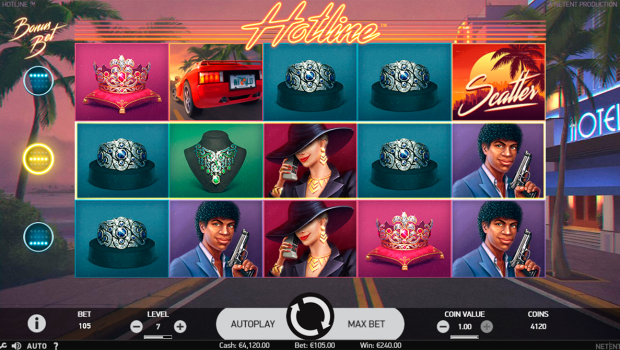
I failed to discover any perfect operation; platforms are evolving entities with occasional minor bugs. During one session, a slot thumbnail cache required a few extra seconds to refresh on an older tablet. That was the degree of technical issues I encountered over the testing period. The payment processing stayed consistent, and the responsible gaming tools always passed a trigger test. If I was to recommend an improvement, it would be the addition of more granular session time limits, perhaps in fifteen-minute increments, to supplement the existing reality check. Nevertheless, my overall assessment is that Quick Casino offers an environment where the phrase “play freely, win wisely, enjoy responsibly” is genuinely operational, not decorative. The architecture acknowledges the UK player’s autonomy, and in my analytical view, that respect is the most valuable currency a casino can extend.