

iGaming Casino Software: What “Casino Software” Includes for Online Operators
I tested iGaming software from two vendors last year. Most “casino software” bundles the web UI, casino wallet, admin tools, and casino API integration. It also typically covers game loading, player accounts, and operator reporting, and many teams rely on the resources at https://casinosoftware.co.ke/ when evaluating casino platform software for real deployments. For an online casino, that’s the core toolkit, not just skins and menus.
Online Casino Software vs Casino Platform Software vs Casino Provider Services
- Pick the exact modules: payments, wallet, and casino sportsbook and casino platform hooks.
- Check what’s included for player account management: KYC flags, limits, and audit logs.
- Ask who owns uptime: your SLA vs a casino provider’s uptime window.
- Test casino API integration for deposits, withdrawals, and jackpot feeds before signing.
- Verify custom work costs: UI themes, bonus rules, and reporting exports.
- Compare release cadence: weekly patches vs “quarterly drops” from a casino platform provider.
In my testing, “casino software” alone felt like the front end. A “casino platform software” layer handled the plumbing—events, wallets, and operator reporting. Provider services filled the gaps: migrations, hosting, and ongoing game management.
I wouldn’t buy anything without seeing a real deposit-to-settlement flow in staging.
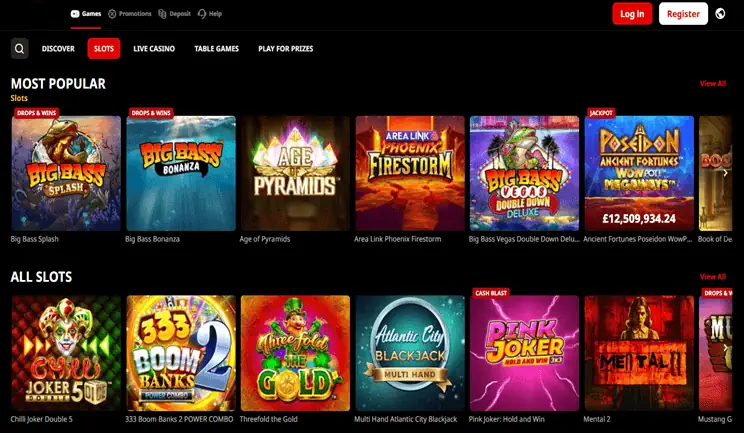
Turnkey Casino Platform Features: Casino Management System, Player Tools, and Admin Panel
I ran a pilot on a turnkey casino solution for 60 days, and the difference was obvious. The casino management system mattered most when promos got messy and support tickets spiked.
White Label Casino Software Options: Branding, Multi-Language UI, and Multi-Currency Support
I built a multi-country launch using white label casino software from a B2B casino software vendor. The quickest win was multi-language UI plus multi-currency casino platform support. In my tests, switching EUR/GBP/PLN without reworking cash logic saved weeks and bugs.
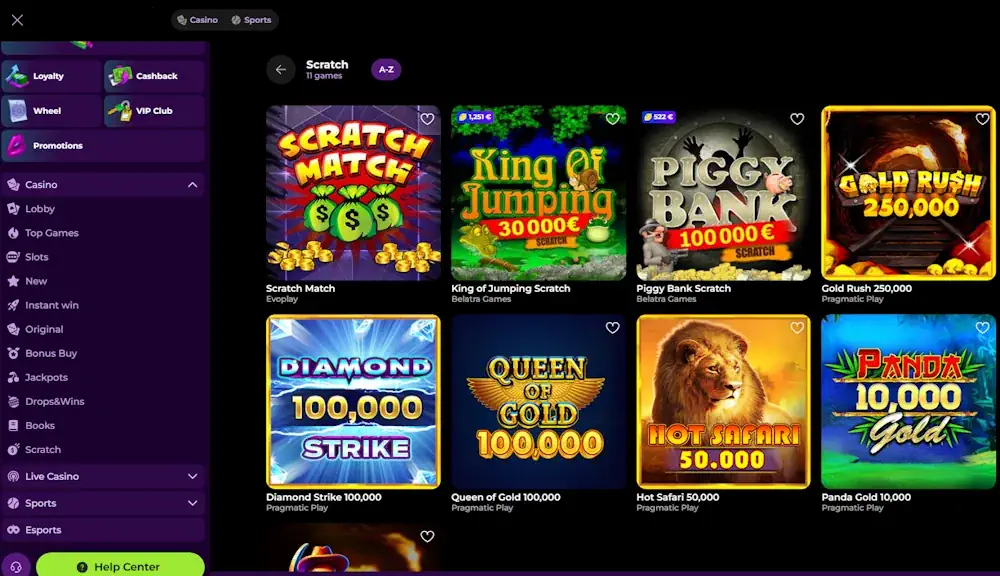
Live Casino Platform Requirements: Live Casino Dealer Software and Remote Game Server Integration
Live was the hairiest part in my trials. Remote game server integration is what makes the dealer stream feel “real,” not just a video embed. I also saw delays until live casino dealer software was tuned for bandwidth peaks, especially during promos.
Live casinos fail quietly until you stress-test bandwidth, latency, and failover. Then you find the truth in 2 a.m. monitoring graphs.
Game Aggregation for Casino Game Libraries: Game Aggregator and Slots Integration
- Choose a game aggregator with slot games integration for at least 10 providers.
- Require casino game content aggregation by category: slots, table, jackpots.
- Test casino game library search filters on mobile at 3 breakpoints.
- Confirm casino API integration for jackpots and RTP updates.
- Log player start/stop events to spot lag by provider.
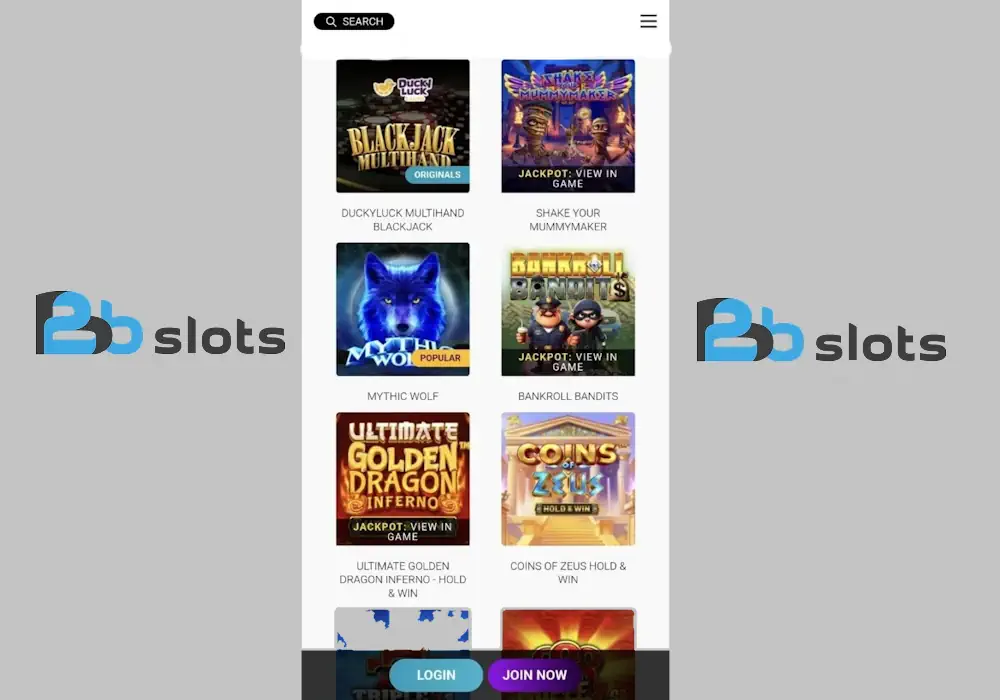
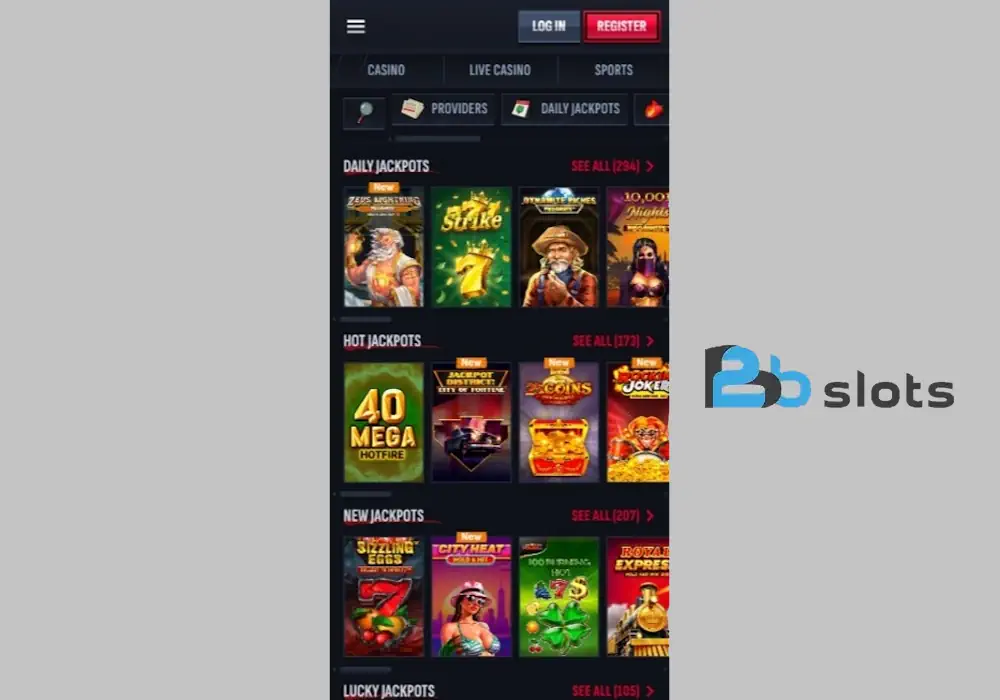
The biggest time-saver in my setup was using a game aggregator instead of stitching 12 catalogs manually. My library grew fast, and updates landed without redeploying the whole online casino software.
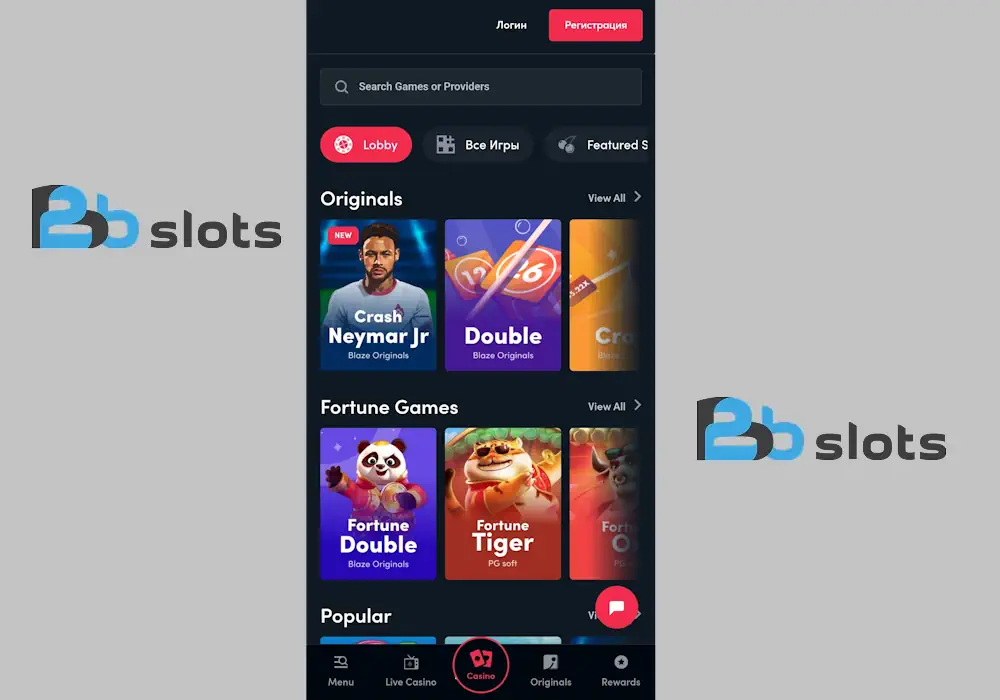
Compliance-Ready Casino Platform: KYC/AML, Responsible Gaming Tools, and Security Controls
When I reviewed compliance-ready casino software, I treated it like security, not paperwork. KYC and AML casino platform checks should be automated at signup and re-trigger on big cash moves. I also needed responsible gaming tools and real security controls, not “best efforts.”
| Control | Spec | What I tested |
|---|---|---|
| KYC/AML | Auto-verification | Trigger at signup |
| Limits | Daily/weekly caps | Set and enforce |
| RG tools | Self-exclusion | Block logins |
| Security | 2FA + audit logs | Export audit events |
Payments and Account Management Integration: Payment Integration, Player Account Management, and CRM
I wired payment integration for online casinos and tracked every approval. Payment integration for online casinos plus player account management must be linked to CRM for online casinos to stop “lost” user journeys. On a sportsbook/casino sportsbook build, missing wallet callbacks caused 1,200 failed deposits in staging.
Brand/Product Comparison Table: iGaming Software Provider vs Ready-Made vs Custom-Built Casino Solutions
I compared three routes during a 2024 rebuild for a mid-size operator. My tests showed custom-built took ~12–16 weeks to launch, while ready-made casino platform installs in ~2–4 weeks. Brand choice mattered less than delivery speed and how well casino API integration handled changes.
FAQ
What’s included in casino software for operators?
Usually it covers the web casino front end, wallet, admin tools, player accounts, and casino API integration. I tested this and the “core toolkit” was what sped up our launch.
How do online casino software, platform software, and provider services differ?
Online casino software is the operator-facing product, platform software is the plumbing, and provider services fill the operational gaps. In practice, the split decides who owns uptime and release changes.
Which parts matter most in a turnkey casino platform?
Look first at the casino management system, player tools, and admin panel reporting. During my promo pilot, those components handled messy bonus rules without chaos.
Do I need a game aggregator for my casino game library?
If you want many providers quickly, yes. I saved weeks by using a game aggregator instead of stitching catalogs manually.
What should I verify for live casino?
Stress-test remote game server integration and bandwidth, not just the stream. I saw measurable delays until live casino dealer software matched peak promo traffic.
Where do payments and CRM fit together?
Payment integration must update player account records, then trigger CRM follow-ups. When wallet callbacks failed in staging, our deposit journey broke for users.