

Factors for Resale Value When Approaching Ferragamo Handbags as an Investment
Acquiring a designer handbag has consistently existed somewhere between self-treat and financial thinking, and in 2026 more consumers are treating a Ferragamo bag as a budget entry in a individual asset collection rather than a simple indulgence. Salvatore Ferragamo established its name on artisanal skill, Florentine leatherwork, and a house signature-element system that includes the Gancini clasp and Vara bow, both of which carry identifiable value in the resale market. That storied history carries weight when a bag changes hands years later, because buyers on resale platforms pay attention to provenance as much as physical state. This article looks at what actually drives resale value for Ferragamo bags, which styles typically preserve their worth best, and how the brand stacks up against a few of its closest competitors when it comes to depreciation curves.
Once a Ferragamo bag re-enters the market, its performance is far from uniform, and understanding the variables is precisely what distinguishes a shrewd acquisition from a shelf ornament. Notwithstanding the fact that such pieces are designed to endure ten years or more, in contrast to disposable trend pieces, with consignment shops and peer-to-peer marketplaces habitually grouping it alongside Gucci, Prada, and Bottega Veneta.
The Factors Behind a Ferragamo Bag’s Resale Worth
Limited availability, wear level, and continued market pull for a specific silhouette — this trio, more than the label itself — govern resale value more often than not. A price nearer to original retail than most anticipate can be nudged by a limited production run, a standout fastening feature, or a link to a catwalk appearance. Leather quality carries similar weight: Ferragamo’s calfskin and saffiano age differently, with calfskin tending to develop ferragamobag.com/hug-bags a patina that collectors either love or avoid depending on upkeep. And added worth — occasionally representing eight to twelve percent of the final resale price according to consignment sellers who monitor completed sales — is typically tied to original packaging, dust bags, and authenticity cards.
First-time buyers often overlook the impact of color choice, yet it shapes resale outcomes significantly. Look at hardware condition, for instance — it’s carefully examined by buyers, since tarnished or scratched metal can knock ten to twenty percent off an asking price even if the leather remains in excellent shape. Meanwhile, black, cognac, and cream consistently beat trend-chasing seasonal colors on the resale market because they attract a larger audience of shoppers, and a rigid-silhouette top-handle piece in a timeless hue will generally outlast in value a soft-shaped hobo bag in a striking pattern that reads as dated within a couple of seasons.
Purchasers can trust that a piece is authentic when documented provenance and receipts come from an authorized ferragamo shop or the brand’s own boutiques, and that confidence feeds into a stronger resale value. Since shoppers discount for doubt, bags sold through unauthorized resellers or lacking documentation generally bring lower prices, even when genuine.
Ferragamo Bags That Hold Value Best
Rather than one single “it” bag, most discussions about the best Ferragamo bags or the top Ferragamo bags for resale tends to settle on a handful of recognizable families. Totes featuring Gancini hardware and structured satchel styles tend to be the most sought-after in the resale space because the hardware itself is an immediately recognizable signature cue, even to buyers who are not deep into fashion. Softer, looser shapes generally lag behind firmer, architectural forms in general, since the latter photograph better for resale listings and show wear more gracefully.
Mini and top-handle formats have also picked up momentum among a younger buyer base entering the secondhand market, partly because more compact styles are easier to style across seasons and partly because they come in at more accessible price points, which broadens the buyer pool for a future resale. A bag that only appeals to a niche audience will always face a smaller resale market than one with broad, cross-generational appeal, so buyers hunting for the best Salvatore Ferragamo bags for investment purposes tend to prioritize versatility over novelty.
It is worth noting that limited-edition collaborations and archival reissues from Salvatore Ferragamo often outperform regular seasonal collections when it comes to resale worth, in some cases keeping seventy percent or more of original retail price within the first two to three years. That kind of retention is rare in the broader handbag market and reflects genuine collector demand rather than simple brand loyalty.
A Look at Ferragamo Bags: Materials, Craftsmanship, and Their Impact on Resale
A proper Ferragamo bags overview has to start with materials, since construction quality is the single biggest predictor of how a bag ages over five or ten years of ownership. The brand has traditionally sourced vegetable-tanned and chrome-tanned leathers supplied by Italian tanneries, and the finishing techniques used on Ferragamo leather goods are part of what justifies premium resale pricing versus mass-market brands. Stitching density, edge painting, and lining quality are elements that knowledgeable resale buyers check before finalizing a purchase, and Ferragamo bags typically hold up well across all of these with proper upkeep.
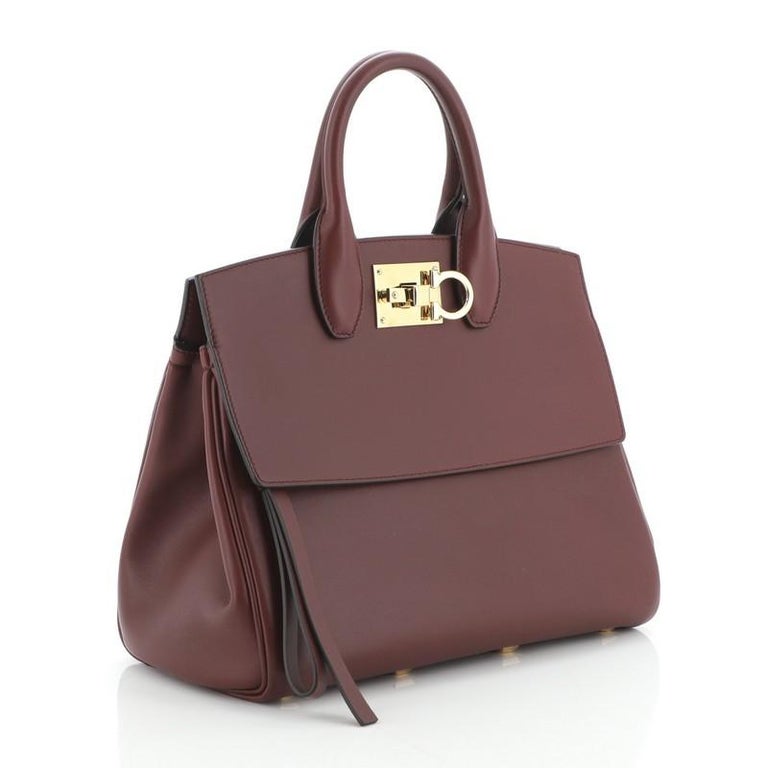
Structural integrity is a further factor that tends to slip past by first-time sellers. A bag that has been overstuffed for years or kept without proper support can end up with a warped silhouette that is hard to correct, and this alone can diminish resale value by a significant amount irrespective of how well-kept the leather appears. Buyers on the resale market are increasingly sharp about insisting on shots of the lining, images of base wear, and close-up shots of the hardware before finalizing a deal, meaning those who store bags well and rotate their use tend to see better returns once they decide to sell.
Because how sought-after the brand is has made it a frequent target for counterfeiters, genuineness remains a ever-present theme throughout any ferragamo bags overview. Stitch consistency, stamped logos, and serial numbers are among the elements that authenticators look for, and bags bought new or obtained through vetted channels carry a real advantage at resale, since buyers are willing to spend more for peace of mind.
Ferragamo in Context: A Resale Snapshot
Since resale outcomes varies meaningfully across the high-end handbag market, direct brand-to-brand comparisons are useful for shoppers weighing where to invest. What’s outlined below reflects broad resale retention patterns reported by consignment platforms and secondhand marketplaces tracking sales through late 2025 and into 2026, focused on classic, non-limited styles kept in solid condition.
| Label | Standard Resale Value Held (2-3 years) | Strongest Value Drivers |
|---|---|---|
| Salvatore Ferragamo | between 45% and 60% | Gancini hardware, structured silhouettes, Italian leather quality |
| Gucci | 50%-65% | Recognizable branding, GG canvas, and collab releases |
| Prada | between 40% and 55% | Durability of Saffiano leather paired with timeless minimalist design |
| Bottega Veneta | 55% up to 70% | The Intrecciato weave, low-key branding, and a devoted fanbase |
Depending on the bag’s condition, color, and production status, these percentages can shift, though the trend stays reasonably steady throughout the resale market. Ferragamo lands squarely in the middle of the pack, which reflects a brand with strong heritage recognition but a somewhat more modest resale hype than the cult-favorite status of Bottega Veneta pieces. That middle position can indeed be an advantage for buyers, since it often means better entry prices with reasonably strong value retention rather than the overblown price tags attached to the buzziest labels.
Down-to-Earth Advice for Purchasing a Ferragamo Bag With an Eye on Resale
Buyers aiming to approach a Salvatore bag as a genuine investment should start with purchases made through an authorized ferragamo shop or the brand’s official channels, as verified provenance consistently lead to stronger resale outcomes. Retaining original packaging, dust bags, and receipts is not just smart upkeep; it is a tangible contributor to future resale price, often adding measurable percentage points to a final sale. Opting for neutral leather colors over seasonal prints is another sensible decision that pays off years down the line, since classic tones simply have a bigger buyer pool.
Routine conditioning of the leather, mindful storage using the dust bag rather than plastic, and not overstuffing all lengthen the useful life of a bag and safeguard its resale ceiling. Doing some homework helps research which ferragamo bags have over time held value well before buying, since some styles hold value better than others, and a little research upfront can avoid disappointment at resale time. For buyers comparing multiple options, reading through a full ferragamo bags overview from a credible source, checking completed listings on resale platforms, and weighing similar styles across a few brands gives a grounded picture of what to expect financially.
In the end, a Ferragamo handbag acquired thoughtfully, maintained properly, and chosen with resale patterns in mind can serve as both a usable luxury item and a reasonably stable store of value. It isn’t guaranteed to top every competitor across the board, but its blend of heritage, craftsmanship, and steady demand makes it a defensible choice for anyone building a deliberate handbag collection in 2026.